For high achievers who keep showing up for everyone else, even when they have little left for themselves.
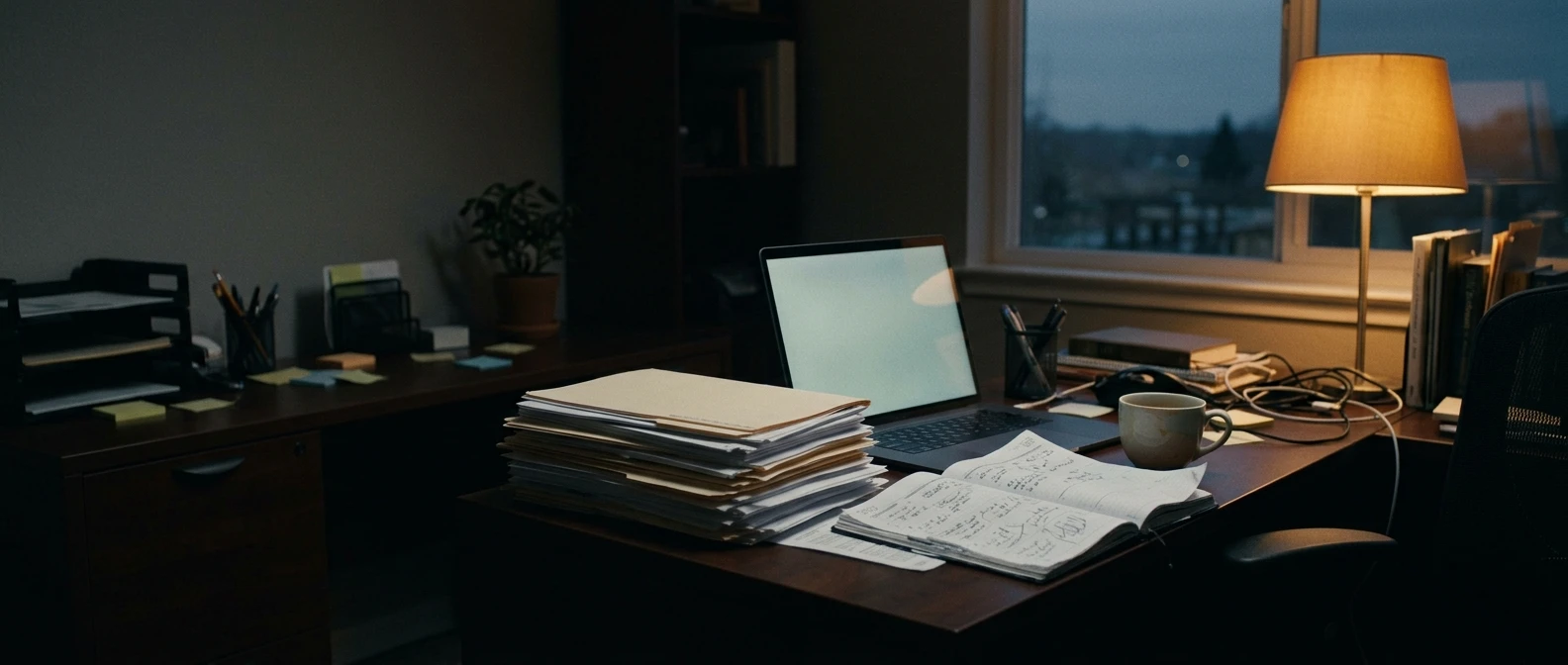
You answered the emails. Attended the meetings. Made the decisions. Supported the people who needed you.
From the outside, you still look capable.
But inside, something feels different.
You’re exhausted, yet slowing down makes you restless. You know you need recovery, but even the thought of another self-care routine feels overwhelming.
Perhaps you’ve tried meditation, exercise, journaling, or establishing healthier boundaries. Yet somehow, taking care of yourself has become another responsibility you struggle to fulfil.
And when you cannot maintain those routines, the familiar voice of self-criticism returns:
Why can’t I manage something as simple as resting?
Here is something worth considering:
What if recovery didn’t have to become another achievement?
When you’ve spent years measuring your effectiveness through productivity, rest can feel uncomfortable, undeserved, or even threatening to your sense of identity.
But you do not have to earn permission to slow down.
Sometimes, the most compassionate starting point is not a comprehensive recovery plan. It is a small, manageable moment of ease.
This article offers seven gentle practices that may help you feel more grounded when stress and exhaustion have stretched your capacity.
They are invitations, not instructions. Choose what feels comfortable, ignore what doesn’t, and remember that you are not trying to become better at resting.
You are learning to respond to yourself with care.
Why Even Self-Care Can Feel Like Another Demand
High achievers often develop an extraordinary capacity to keep functioning under pressure.
You meet deadlines despite exhaustion. You remain composed during difficult conversations. You fulfil responsibilities even when your emotional reserves are running low.
Over time, however, this ability to keep going can conceal an important reality: being able to perform does not necessarily mean you are recovering.
Prolonged stress can affect concentration, sleep, emotional flexibility, motivation, and physical well-being.
When these difficulties accumulate, activities that once felt manageable may require considerably more effort.
Even self-care can become exhausting.
Consider the professional who decides to recover from months of relentless pressure by creating an ambitious wellness schedule.
Morning meditation. Daily exercise. Healthier meals. Evening journaling. Strict sleep routines.
Initially, the plan feels empowering.
Then an unexpected deadline arrives. A family responsibility interrupts the schedule. Three days pass without completing the routine.
Instead of experiencing relief, the person experiences guilt.
I cannot even get recovery right.
This is where the achievement mindset can become counterproductive.
The discipline that helped you succeed professionally may begin turning your personal well-being into another performance obligation.
Recovery becomes something to accomplish rather than something to experience.
The first shift is recognizing that your need for rest is not evidence of inadequacy. It is information about your current capacity.
You can respond to that information without creating another demanding project.
Why Rest Can Feel Uncomfortable When You’re Used to Performing
For some high achievers, constant activity becomes more than a habit.
It becomes part of how they understand themselves.
Being productive provides structure. Solving problems creates a sense of usefulness. Meeting expectations reinforces an identity built around competence and reliability.
When activity stops, uncomfortable feelings may become more noticeable.
You might experience restlessness, guilt, anxiety, sadness, or a persistent urge to check whether something needs your attention.
This does not necessarily mean your nervous system considers rest dangerous.
Rather, several factors may be interacting: prolonged stress, habitual vigilance, unfinished responsibilities, or beliefs connecting personal worth with achievement.
If you have spent years believing that your value comes from what you accomplish, doing nothing can feel surprisingly difficult.
You may intellectually understand that rest matters while emotionally struggling to allow yourself to experience it.
This is an important distinction.
Knowing that you deserve rest and feeling comfortable receiving it are not always the same thing.
You do not need to force yourself into relaxation to resolve that tension.
You can begin by creating small opportunities for comfort, awareness, and reduced stimulation.
Some practices may help immediately. Others may feel neutral or uncomfortable. None can guarantee calm, and none replaces the need to address persistent sources of stress.
The World Health Organization’s Doing What Matters in Times of Stress guide describes practical skills such as grounding, noticing difficult experiences, and responding with kindness.
The underlying principle is useful: small actions can help us engage more deliberately with the present, even when difficult feelings remain.
Seven Tiny Ways to Help Your Body Settle
You do not need special equipment, a quiet retreat, or an uninterrupted hour.
These practices can fit into ordinary moments between responsibilities.
Choose whichever feels most accessible. You are free to stop whenever you wish.
1. When Your Mind Is Racing, Try a Gentle Exhale
Stress sometimes changes how we breathe. We may breathe more quickly, shallowly, or irregularly without noticing.
Gentle, comfortable breathing may help some people feel more settled.
Try breathing in naturally, then allowing your exhale to become slightly slower and softer.
Imagine gently cooling a spoonful of soup.
Repeat a few times if it feels comfortable.
There is no need to hold your breath, count precisely, or force yourself to breathe deeply.
If focusing on your breathing increases anxiety, discomfort, or dizziness, stop and choose something else.
Your small shift: For a few moments, allow your breathing to be comfortable rather than another process you must control.
2. When You Feel Overwhelmed, Notice What Is Around You
Under pressure, attention can become absorbed by deadlines, worries, and imagined consequences.
Grounding offers a way to reconnect with your immediate surroundings.
Pause and gently look around.
Notice three ordinary objects.
Perhaps a window, a notebook, and a cup.
Observe their colours, shapes, or positions without analyzing them.
You do not have to convince yourself that everything is fine.
You are simply directing some attention toward what is present, rather than remaining entirely absorbed in what might happen next.
Your small shift: Move from mentally rehearsing the future to noticing one manageable moment in the present.
3. When You Feel Disconnected, Notice Your Feet
Long periods of mental activity can leave us paying little attention to ordinary physical sensations.
If it feels comfortable, place your feet against the floor.
Notice the contact between your shoes and the ground.
You might gently press downward, then release.
Alternatively, notice the support of your chair or the feeling of your hands resting on a surface.
There is no particular sensation you need to produce.
Grounding practices like these are included in the World Health Organization’s stress-management guidance.
For some people, attending to bodily sensations can feel uncomfortable. If that happens, focus on an external object instead.
Your small shift: Give your attention somewhere simple to rest without requiring yourself to solve anything.
4. When You Need Comfort, Choose a Pleasant Sensation
Sometimes, comfort begins with something ordinary.
A comfortably warm mug held between your hands.

A soft blanket.
A cool glass of water.
A favourite chair.
Choose one sensation that feels pleasant or neutral.
Notice it briefly without trying to turn the experience into a formal mindfulness exercise.
The purpose is not to manipulate your nervous system into a particular state.
It is to allow yourself a small experience of comfort without attaching an expectation to it.
Your small shift: Recognize that comfort does not have to be productive to be worthwhile.
5. When Your Body Feels Tense, Try a Gentle Hum
Some people find humming soothing because it creates a familiar sound and gentle vibration.
If you enjoy it, hum softly during a comfortable exhale.
You might choose a single note or a fragment of a familiar melody.
There is no need to sustain the sound or achieve a particular breathing rhythm.
Humming is not a guaranteed method of regulating the nervous system, but it can be an accessible sensory activity.
If you prefer silence, that is equally valid.
Your small shift: Choose an experience that feels pleasant without needing to justify its usefulness.
6. When Everything Feels Urgent, Take One Unhurried Sip
High-pressure days can make even ordinary needs feel inconvenient.
You postpone lunch. Forget your water. Rush through meals while answering messages.
Try taking one comfortable sip of water without doing anything else.
Notice its temperature.
Put the glass down before returning to your next activity.
This is not a sophisticated therapeutic technique.
It is a simple reminder that your physical needs still matter, even when your responsibilities feel urgent.
Your small shift: Allow one ordinary need to receive your attention.
7. When You Feel Alone in Your Responsibilities, Allow Gentle Connection
High achievers often become the people others depend upon.
They offer reassurance, solve problems, and provide support.
But when they become depleted, they may struggle to reveal their own needs.
Connection does not always require a difficult conversation.
You might sit quietly beside someone you trust, exchange a warm greeting, or ask for a small practical favour.
You could also say:
I’ve been carrying more than I’ve admitted lately. I don’t need you to fix anything, but I’d appreciate some company.
Supportive relationships can provide emotional comfort and practical assistance.
However, connection should feel respectful of your needs and boundaries.
You do not have to spend time with someone who leaves you feeling more distressed.
Your small shift: Allow yourself to receive care rather than always being the person who provides it.
Make Your Environment a Little Less Demanding
Sometimes, supporting recovery means reducing unnecessary demands rather than adding new activities.

You might silence non-essential notifications, lower background noise, soften bright lighting, or keep water within easy reach.
You could close a few unnecessary browser tabs or give yourself permission to leave a non-urgent message unanswered.
These changes may seem insignificant.
But when your attention is already stretched, reducing even one source of interruption can make your surroundings feel more manageable.
You may not control your workload, office environment, or household responsibilities.
That is why the goal is not to create perfect conditions.
It is to identify one small adjustment within your control.
And if nothing can be changed today, you have not failed.
Your well-being should not depend on your ability to organize every aspect of your environment.
Stop Measuring Whether You’re Recovering Correctly
Here is where many high achievers encounter another hidden trap.
They begin using relaxation techniques and immediately evaluate their performance.
Did it work?
Am I calmer?
How long before I notice improvement?
Should I be doing this more consistently?
Before long, recovery has become another exercise in measurement.
There is nothing inherently wrong with noticing whether something helps.
But constant monitoring can introduce pressure into an experience intended to reduce it.
Instead, consider a gentler approach.
Try something if you wish.
Notice whether it feels comfortable.
Continue if it helps. Stop if it doesn’t.
You do not need to record your progress, maintain a streak, or demonstrate improvement.
Some days, a brief pause may feel restorative. Other days, you may notice no change.
Neither outcome says anything about your personal worth.
The purpose is not to become exceptionally good at calming yourself. It is to develop a more compassionate relationship with your own needs.
That shift may matter more than the number of exercises you complete.
When Tiny Practices Are Not Enough
Small self-care practices can support well-being, but they cannot resolve every cause of emotional or physical exhaustion.
Persistent distress may involve chronic workplace stress, depression, anxiety, trauma-related difficulties, medical conditions, sleep disorders, or other concerns requiring professional assessment.
Consider speaking with a qualified healthcare or mental health professional if you experience ongoing sleep disruption, emotional numbness, persistent anxiety, loss of interest in previously enjoyable activities, unusual exhaustion, or increasing difficulty managing everyday responsibilities.
You do not need to wait until you are unable to function before asking for help.
The National Institute of Mental Health recommends seeking professional support for severe or distressing symptoms that persist, particularly when they interfere with daily life.
If you experience thoughts of suicide or harming yourself, seek immediate assistance from emergency services, a crisis support service, or a trusted person who can stay with you while help is arranged.
For many high achievers, seeking support requires challenging a deeply established belief:
I should be able to handle this myself.
But emotional strength does not require endless self-sufficiency.
Sometimes, the most meaningful act of resilience is acknowledging that your existing resources are no longer enough.
You Don’t Have to Earn Permission to Rest
You may have spent years becoming the person who can handle everything.
The dependable colleague. The capable leader. The problem-solver. The person others turn to when circumstances become difficult.
Those qualities may have helped you build a successful professional life.
But being capable does not mean being inexhaustible.
And needing rest does not mean you have lost the strength that brought you this far.
Perhaps today you cannot change your workload, resolve every difficulty, or take the extended break you wish you could.
But you might loosen your shoulders.
Take one unhurried sip of water.
Sit quietly beside someone you trust.
Or acknowledge, without criticism, that you are tired.
These moments will not solve chronic stress or replace the support you may need.
They can, however, become opportunities to respond to yourself with care rather than judgment.
At MindedJoy, we believe meaningful success involves more than continuing to achieve. It also involves learning to live in a way that respects your humanity, your values, and your capacity for well-being.
You are more than your output.
More than your responsibilities.
More than the expectations you have learned to carry.
You have spent so much of your life proving what you can do. You do not have to prove anything to deserve a moment of rest.
And perhaps that is where a different relationship with success begins.
If you recognise yourself in this experience, explore our related article on functional freeze in high achievers and why outward competence can sometimes conceal emotional disconnection.
Frequently Asked Questions
1. Why am I exhausted but unable to relax?
Prolonged stress, ongoing responsibilities, anxiety, disrupted sleep, and deeply established productivity habits can make relaxation difficult. For some high achievers, slowing down also brings uncomfortable feelings or beliefs about their self-worth into awareness.
2. How can I calm myself when I have no energy?
Consider a gentle, low-effort practice such as noticing your surroundings, taking a comfortable breath, or sitting quietly with someone you trust. Choose what feels manageable rather than forcing yourself to follow a demanding routine.
3. Can small grounding exercises help with emotional exhaustion?
Grounding exercises may help some people manage moments of stress or overwhelm. However, they do not necessarily address the underlying causes of persistent emotional exhaustion, which may require changes in circumstances or professional support.
4. What if breathing exercises make me more anxious?
Stop the exercise and try an alternative, such as noticing objects around you or listening to familiar sounds. Breath-focused techniques are not comfortable or appropriate for everyone.
5. When should I seek professional help for emotional exhaustion?
Consider professional support when exhaustion, anxiety, sleep difficulties, emotional numbness, or reduced functioning persist or worsen. Seek immediate assistance if you are at risk of harming yourself.
About the Author
Written by Nhlanhla Nene
Nhlanhla is a Wellbeing Coach, Mindvalley Certified Life Coach, and the founder of Mindedjoy. With advanced training in narrative, personal, and corporate coaching, and a rich career background as a Certified Global Management Accountant,(ACMA, CGMA) – he blends psychology-based coaching with real-world leadership insight. His mission is to help high-performing professionals bridge the achievement–fulfillment gap, strengthen resilience, and build lives filled with meaning, joy, and sustainable success.