
Written By Nhlanhla Nene – Well-being Coach & Founder Of Mindedjoy
Many high-achieving professionals live in a chronic state of low-level nervous system activation without realizing it. Even when work is going well externally, the body may still feel tense, overstimulated, emotionally flat, or unable to fully recover. This is why nature often feels surprisingly restorative. Exposure to natural environments helps reduce stress activation, regulate the nervous system, and create mental space that modern performance-driven lifestyles rarely allow.
TL;DR: The Healing Power of Nature (in 20 seconds)
When success leaves you wired but tired, it’s often a nervous system stuck in performance mode. Nature restores balance not through effort, but exposure — gently activating the parasympathetic “rest and regulate” response. Even brief, consistent time outdoors lowers stress hormones, improves clarity, and reduces background tension. You don’t need wilderness or workouts — just small, undemanding moments in natural settings that allow your body to downshift and re-calibrate.
Many professionals become highly skilled at functioning under pressure for so long that constant activation begins to feel normal. The nervous system adapts to urgency, stimulation, and responsiveness—making true recovery feel unfamiliar rather than restorative.
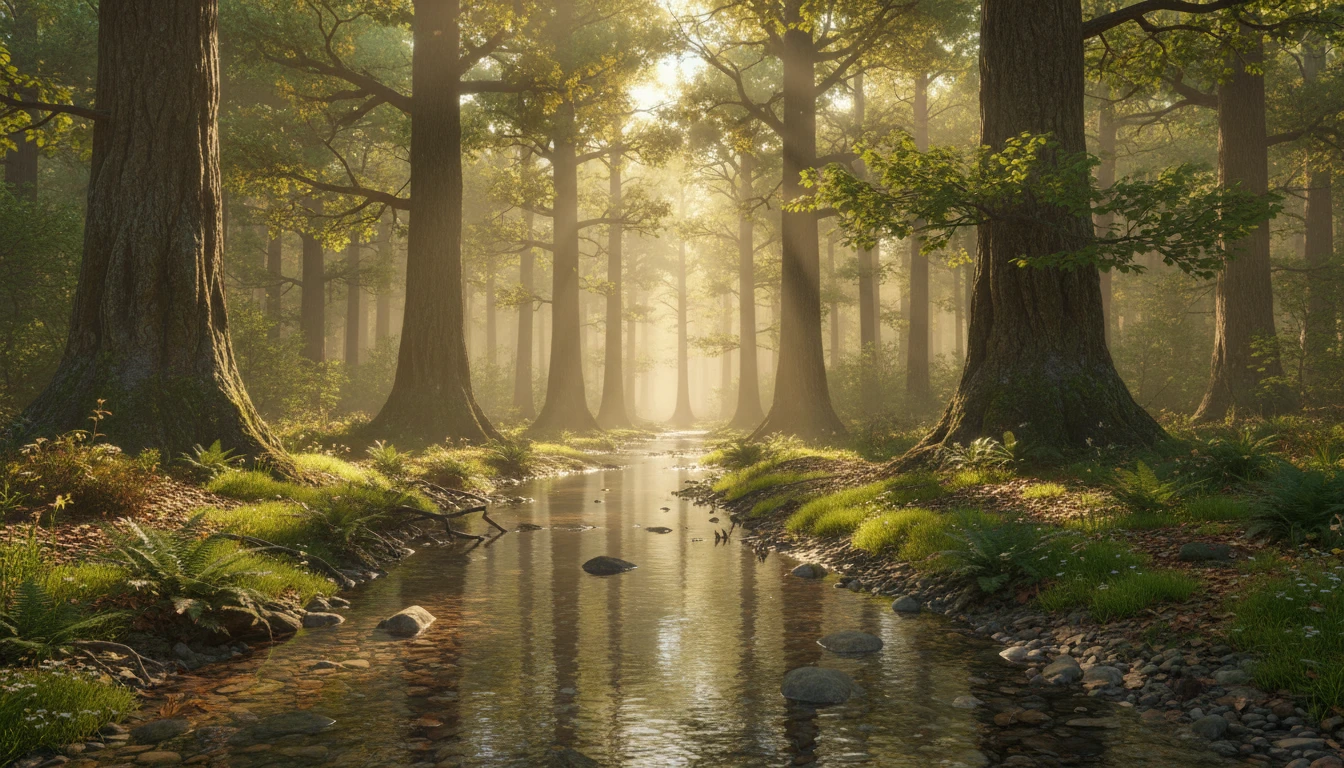
What We Really Mean by “The Healing Power of Nature”
The healing power of nature isn’t mystical or abstract.
It refers to the measurable psychological, physiological, and emotional shifts that occur when the body is exposed to environments with lower cognitive demand and higher sensory safety.
Natural settings — even modest ones like tree-lined streets, small parks, or a backyard — provide gentle sensory input that allows the nervous system to downshift.
Unlike modern work environments, nature doesn’t require:
Constant decision-making
Self-monitoring
Performance or productivity
For high achievers, this absence of demand is precisely what makes nature so powerful.
How Nature Regulates the Nervous System
From a biological perspective, time outdoors supports activation of the parasympathetic nervous system — the branch responsible for rest, digestion, emotional regulation, and recovery.
Research consistently shows that spending time in natural environments is associated with:
Lower heart rate and blood pressure
Reduced cortisol (stress hormone) levels
Improved emotional regulation
Greater mental clarity and attentional capacity
What this looks like in real life isn’t dramatic transformation — it’s subtle relief:
Your shoulders drop without effort
Your breath deepens naturally
Your thinking becomes less rigid
These are signs of regulation, not relaxation hacks.
Why Nature Works When Thinking Doesn’t
Most high achievers try to fix depletion by thinking:
journaling
reflecting
optimizing
But those still require:
effort
Unlike many forms of self-improvement, nature does not ask the nervous system to perform. There are no metrics to optimize, no social comparison, and no pressure to produce. This reduction in cognitive demand is part of what makes outdoor environments feel psychologically restorative.
This is why clarity often comes after a walk—not during intense thinking.
Your system needs:
less input—not more insight
The Deeper Problem Most People Miss
In my coaching work with high-performing professionals, many people initially describe nature as ‘unproductive.’ Over time, they begin realizing the discomfort is not boredom—it’s withdrawal from constant cognitive stimulation and pressure.
Then your system is constantly:
activated
Nature helps—
But if you return to the same environment:
the activation resumes
This is why nature feels good temporarily—but doesn’t fully solve the problem.
Because the issue isn’t just stress.
It’s structure.
Forest Therapy (Why Slowing Down Feels So Different)
Practices like Shinrin-yoku (forest bathing) focus on:
slow movement
sensory awareness
no performance
Nature walks restore high achievers because they slow everything down.
The focus shifts toward sensory awareness, presence, and quiet reflection.
Unlike goal-driven activities centered on performance or improvement, nature creates space to simply exist without pressure or evaluation.
For many ambitious people, this feels unfamiliar at first — yet deeply calming.
It offers a temporary release from the constant need to optimize, achieve, or prove something.
Evidence-Based Benefits of Nature
With consistent exposure, nature supports:
Nervous System Regulation
Less tension, more steadiness
Cognitive Restoration
Better focus, creativity, clarity
Physical Health
Improved circulation, Vitamin D
Emotional Resilience
Stronger connection—with self and others
The key:
consistency over intensity
The Quiet Spiritual Effect of Nature
Nature doesn’t just calm you.
It re-calibrates perspective
Stepping outside the structures of schedules, metrics, and roles often reconnects people with:
A sense of proportion
Gratitude without forcing positivity
Presence without effort
This isn’t about belief systems.
It’s about remembering that your worth isn’t measured by output.
How to Integrate Nature Into a Busy Life
Keep it simple:
- A 10–15 minute walk without your phone can interrupt mental overload and create space for clarity, presence, and nervous system recovery.
- Sitting outside in silence and noticing the sky, trees, and air helps shift attention away from constant stimulation and back into the present moment.
- Stepping outside briefly between tasks can regulate stress, reduce cognitive fatigue, and create a healthier rhythm between effort and recovery.
- There is no need to track, measure, or optimize the experience.
The value comes from simple exposure to stillness, nature, and mental space.
You can explore local walking ideas on AllTrails
Common Barriers (And Re-frames)
“I don’t have time”
→ You need less intensity, not more time
“I’m not outdoorsy”
→ You don’t need effort—just presence
“I should be doing something productive”
→ This is what protects your productivity
A Quiet Re–frame
If nature feels relieving:
It’s not because it’s special.
It’s because:
it asks nothing of you
And your system:
needs that
Frequently Asked Questions
How much time outdoors is enough?
10–20 minutes consistently is enough.
Do I need nature walks or exercise?
No. Sitting and observing works.
Can indoor alternatives help?
Yes—but outdoor exposure is more effective.
Final Shift
You don’t need:
more optimization
more productivity
more effort
You need:
Less stimulation
More recovery
Better balance
Final Reflection
For many professionals, sustainable well-being eventually requires more than recovery techniques. It requires creating a life structure that no longer depends on constant activation to function. One approach I’ve personally explored is building more flexible, lower-pressure online income systems.
Affiliate disclosure: I’m an active Wealthy Affiliate member and may earn a commission if you purchase through links on this page. I only recommend products I use and believe provide value. No extra cost to you.
Quick verdict: Wealthy Affiliate is a beginner-friendly, all-in-one platform that bundles hosting, training, and keyword tools — excellent value for new and scaling affiliate marketers.
About the Author
Written by Nhlanhla Nene
Nhlanhla is a Wellbeing Coach, Mindvalley Certified Life Coach, and the founder of Mindedjoy. With advanced training in narrative, personal, and corporate coaching, and a rich career background as a Certified Global Management Accountant,(ACMA, CGMA) – he blends psychology-based coaching with real-world leadership insight. His mission is to help high-performing professionals bridge the achievement–fulfillment gap, strengthen resilience, and build lives filled with meaning, joy, and sustainable success.