Written By Nhlanhla Nene – Wellbeing Coach & Founder Of Mindedjoy
If you’re successful, capable, and still feel quietly depleted, the issue isn’t motivation or gratitude.
It’s that your nervous system has been living in constant demand mode.
Modern achievement rewards speed, cognition, and output.
Nature restores what that system quietly drains: regulation, perspective, and inner safety.
TL;DR: Nature Isn’t a Luxury…in 20 seconds.
If you’re high-performing but quietly depleted, the issue isn’t motivation — it’s a nervous system stuck in constant demand mode. Modern achievement rewards speed and output, keeping your body in subtle threat response. Nature interrupts that cycle. Time outdoors lowers stress, restores attention, and softens the internal pressure to perform. Even brief exposure can reduce urgency and widen perspective. This isn’t about becoming “outdoorsy” — it’s about giving your biology regular cues of safety. Nature doesn’t fix your workload; it re-calibrates the system carrying it.
This is why a walk outside can feel more relieving than a weekend off—and why “rest” at home often doesn’t touch the fatigue beneath the surface.
Nature doesn’t entertain you.
It downshifts you.
Why High Achievers Feel Better Outside (Even When They Can’t Explain It)
You don’t need another productivity habit.
You need fewer signals telling your body it’s under threat.
When you spend time in natural environments—trees, open sky, water, uneven ground—your nervous system receives cues it rarely gets indoors:
Nothing is urgently required of you
You are not being evaluated
There is no performance to maintain
This isn’t poetic language. It’s physiology.
Research consistently shows that time in nature lowers cortisol, stabilizes heart rate variability, improves sleep, and restores attentional capacity. But the deeper shift is this:
Nature temporarily releases you from the identity of “the one who must keep up.”
For people whose self-worth is quietly tethered to competence, that release is profound.
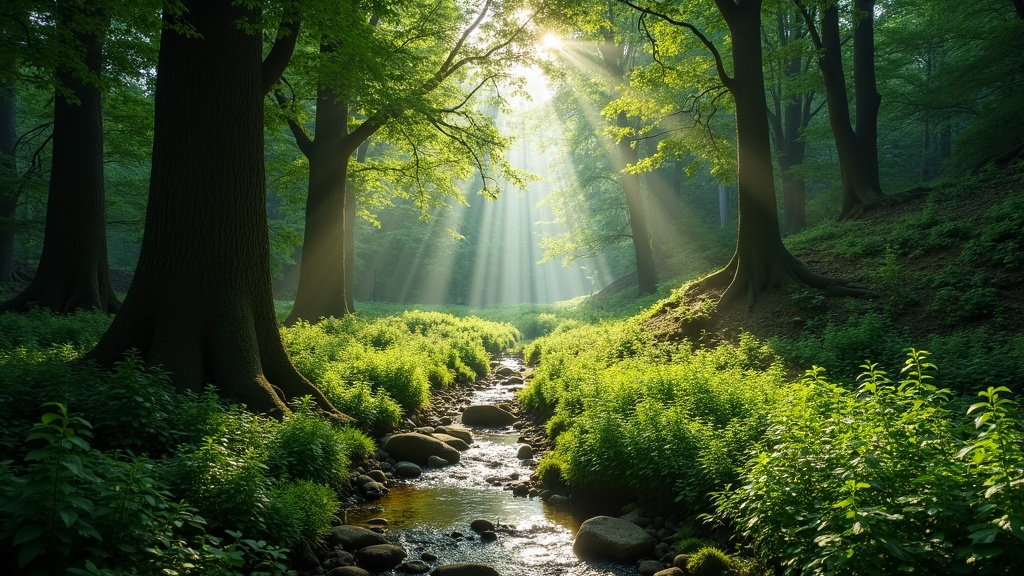
The Real Benefit Isn’t Relaxation. It’s Reduced Inner Urgency.
Most wellness content frames nature as “relaxing.”
That undersells it.
What actually softens outdoors is the internal pressure to optimize every moment.
You stop scanning for the next task.
Your thoughts widen instead of stacking.
Time stops feeling like something you’re behind on.
This is why even brief exposure—20 minutes or so—can noticeably shift mood and mental clarity. Your system isn’t resting; it’s remembering safety.
Why Nature Works When “Self-Care” Doesn’t
Many high achievers struggle with self-care because it still feels performative:
scheduled
optimized
evaluated
Nature asks nothing of you.
You don’t need to journal correctly, breathe correctly, or improve anything. You simply exist within a system that moves at a human pace.
That’s why:
creativity often returns mid-walk
perspective arrives without effort
sleep deepens after evening exposure to natural light
You’re not fixing yourself.
You’re letting your system recalibrate.
This Isn’t About Becoming an “Outdoorsy Person”
You don’t need mountains, retreats, or aesthetic rituals.
You need regular contact with environments that don’t demand performance.
That might look like:
a quiet walk before your brain switches into problem-solving mode
sitting under a tree instead of scrolling during breaks
ending the day outside so your body understands it’s safe to power down
Small, ordinary exposure done consistently is more regulating than occasional escapes.
The Resistance Is the Signal
If slowing down outdoors feels uncomfortable—or “unproductive”—pay attention.
That discomfort isn’t laziness.
It’s the withdrawal symptom of a nervous system trained to equate worth with output.
Nature gently interrupts that conditioning.
Over time, people notice shifts like:
less reactivity
clearer boundaries
energy that feels steadier rather than spiky
motivation that no longer relies on pressure
This is resilience built quietly, not forced.
Nature as a Daily Counterbalance, Not a Cure
Nature won’t solve your workload.
It won’t fix systemic pressure.
But it gives your system a daily counterweight—a place where you are not measured, assessed, or hurried.
In a culture that rewards chronic activation, that matters more than we admit.
You don’t need to earn this kind of rest.
Your biology already recognizes it.
Advanced Ways to Deepen Your Connection With Nature
Once you’ve made outdoor time a habit, keep things fresh with new experiences:
Nature Journaling: Record what you see, hear, and feel — it helps you slow down and become mindful.
Mindful Walking: Leave your phone behind, breathe deeply, and focus on each step.
Outdoor Workouts: Yoga, stretching, or bodyweight exercises outdoors add variety and joy to your fitness routine.
Community Activities: Join local hiking clubs, trail clean-ups, or outdoor painting groups for connection and purpose.
University of California, Los Angeles Health. (2025). 7 health benefits of spending time in nature.
A well-written summary linking nature exposure to heart health, stress reduction, sleep quality, etc
Frequently Asked Questions
Q: What are the quick benefits of spending time in nature?
A: Within 20 minutes, you may notice reduced stress, improved mood, and a clearer mind.
Q: How does nature improve health?
A: It lowers stress hormones, supports heart and immune health, and encourages gentle movement.
Q: Can I benefit from nature just by looking at it?
A: Yes. Simply viewing natural scenes can calm your mind and enhance focus — even from a window.
Q: What are the top five benefits of nature?
A: Cleaner air, reduced stress, improved fitness, spiritual connection, and better social relationships.
Bringing It All Together
You don’t need to earn rest by breaking down first.
The shifts that restore resilience are often small, unglamorous, and quietly powerful—especially when they interrupt the belief that your worth depends on constant output.
You’re allowed to choose steadiness over strain, and fulfillment over endurance.
Not as an escape from ambition—but as a way of making it sustainable.
Call-to-Action:
What’s your favorite way to enjoy nature? Share your experience in the comments below!
About the Author
Written by Nhlanhla Nene
Nhlanhla is a Wellbeing Coach, Mindvalley Certified Life Coach, and the founder of Mindedjoy. With advanced training in narrative, personal, and corporate coaching, and a rich career background as a Certified Global Management Accountant, he blends psychology-based coaching with real-world leadership insight. His mission is to help high-performing professionals bridge the achievement–fulfillment gap, strengthen resilience, and build lives filled with meaning, joy, and sustainable success.
Affiliate disclosure: I’m an active Wealthy Affiliate member and may earn a commission if you purchase through links on this page. I only recommend products I use and believe provide value. No extra cost to you.
Quick verdict: Wealthy Affiliate is a beginner-friendly, all-in-one platform that bundles hosting, training, and keyword tools — excellent value for new and scaling affiliate marketers.